Please explain the difference between pink dissipative and black conductive foam.
The difference between Anti static pink foam and black foam
When discussing the differences between anti-static pink foam and black foam, are you familiar with the specifics?
The differences are significant, although neither is inherently superior to the other. Your choice between the two should be based on your specific needs.
Pink Anti Static Foam & Static dissipative foam
- Pink static dissipative polyethylene foam has a resistance of less than 1011 ohms.
- It is antistatic and has low charging, which minimizes the generation of electrostatic charge.
- Pink foam material provides protection from physical shock during handling, packaging, shipping, and storage of ESD sensitive devices.
- Ideal for short term use.
- Can be easily customized through die-cutting, laminating, and other methods
Non-contaminating, non-corrosive, and non-sloughing
- Pink foam is an economical option.
Notes on use
- It is not recommended for long-term applications.
After being used for approximately 6 months, the electrical properties may disappear and become insulating.
More foam details, please refer to my before articles
ESD EPE Foam Pink
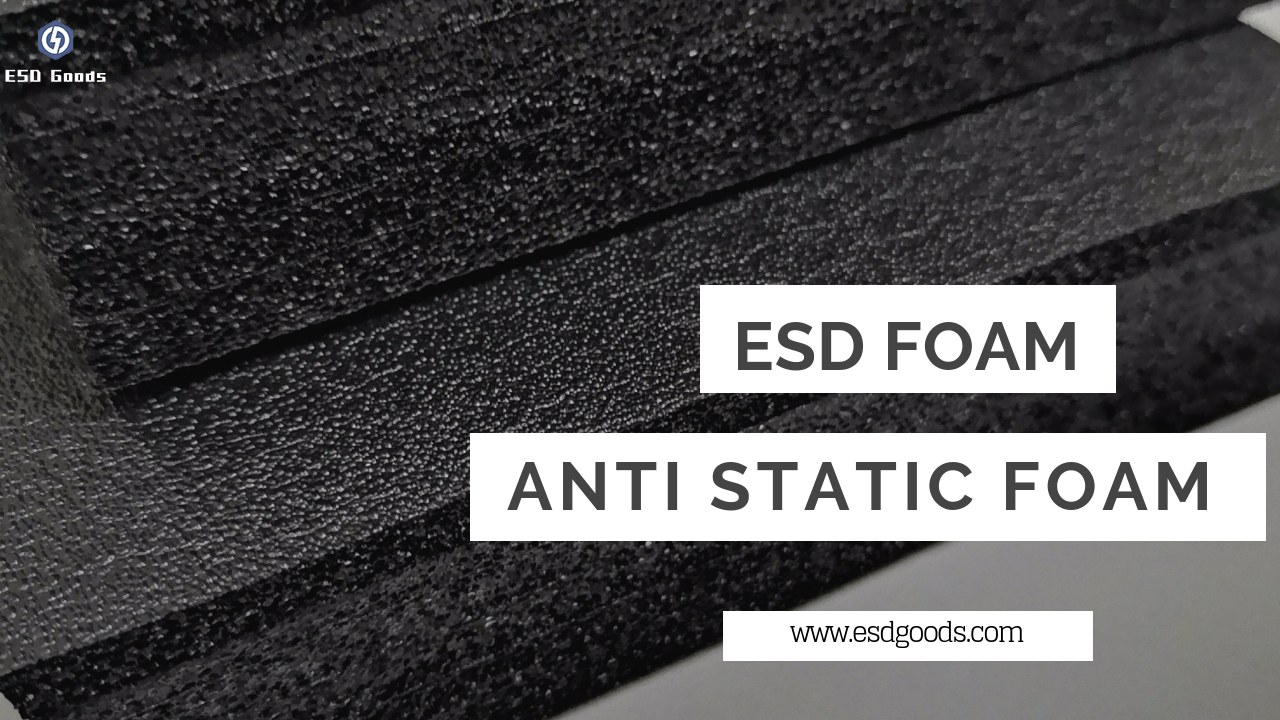
Black Conductive Foam & Anti Static Foam
- Black foam with a surface resistivity of 1 x 10³ to 1 x 10⁹ ohms, and meets the requirements of ANSI/ESD STM11.11.
- Black foam is made of low-density conductive polyethylene.
- Both permanently conductive and anti-static types, which maintain their electrical properties over time and can be used for applications requiring permanent ESD protection.
- Black foam provides effective protection against physical shock during handling, packaging, shipping, and storage of ESD-sensitive equipment.
- Black foam does not discolor with age.
Notes on use
- Better value for long term applications
- Recommended in applications where conductive or Static Dissipative properties are required
More foam details,please refer to my before articles
ESD PE Foam Black